
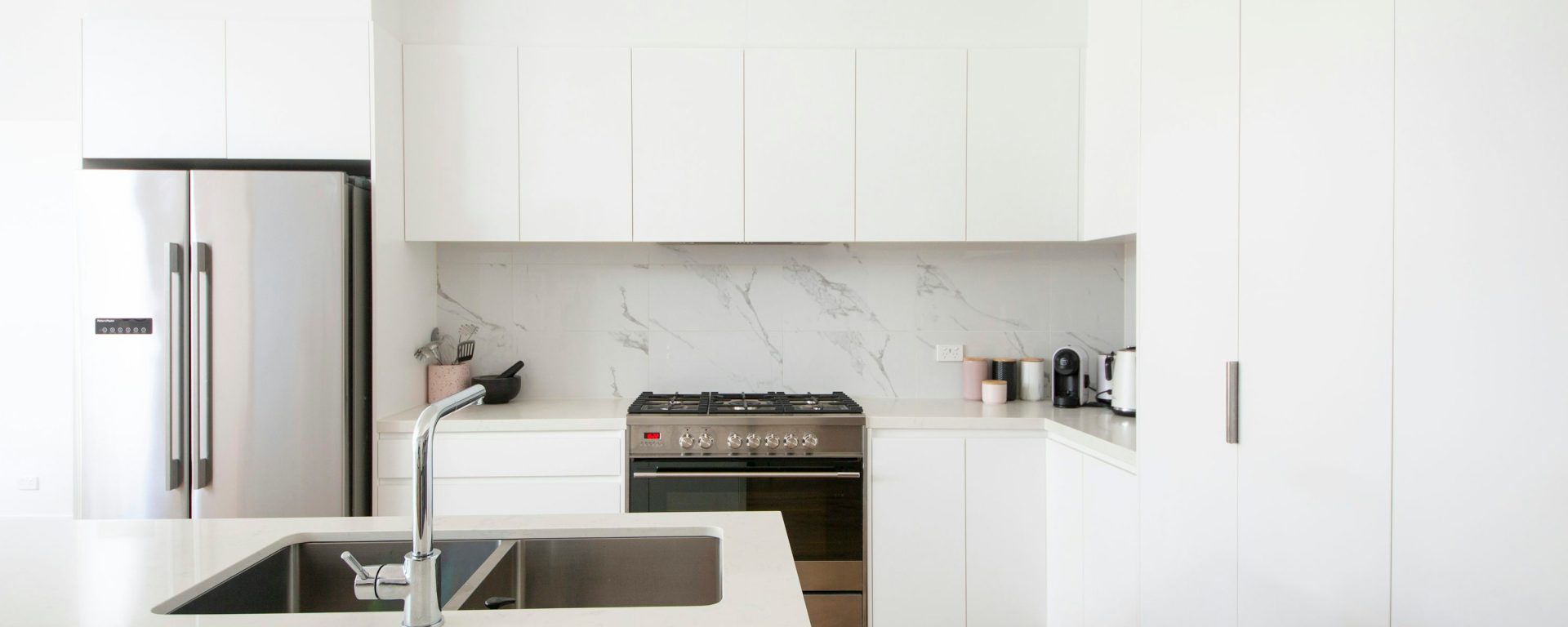
Planning a kitchen renovation in the Hunter region? When it comes to kitchen benchtops Newcastle homeowners face a unique mix of choice; balancing coastal living with everyday practicality. From Merewether apartments to Lambton family homes, benchtops endure everything from hot pans and salty air to school projects, seafood prep, and the odd coffee spill. Choosing the right surface means combining style with long-term performance in Newcastle’s variable climate.
The right kitchen benchtops Newcastle builders and renovators choose are built for more than looks. They have to withstand beach-sand grit, humidity, and constant use, while fitting seamlessly into a variety of home styles: from Hamptons-inspired designs to minimalist contemporary spaces. This guide explores the most popular benchtop materials, what works best for local conditions, pricing insights, and practical advice for choosing and maintaining your perfect kitchen surface.
What Makes Newcastle Kitchens Unique
Newcastle kitchens blend the relaxed charm of coastal living with the functionality of urban design. Many homes feature open layouts and sliding doors that connect to outdoor entertaining areas, meaning benchtops must handle humidity, UV exposure, and fluctuating temperatures. Moisture-resistant, easy-to-clean, and heat-tolerant surfaces are key for longevity.
The region’s renovation market also prizes value and availability. With trades in high demand, materials that install efficiently and hold up under family use are popular: think low-maintenance laminates, porcelain, or sintered stone for high-end builds, and durable natural stone for timeless appeal. Since NSW regulations tightened around engineered stone containing crystalline silica, local suppliers have pivoted toward safer, compliant alternatives like porcelain, solid surface, and recycled composite options.
Comparing Benchtop Materials
Laminate
Laminate remains the top choice for affordability. Today’s designs convincingly mimic natural stone, timber, or concrete at a fraction of the cost. It’s lightweight, fast to install, and simple to replace later. However, laminates can be vulnerable to water damage if moisture seeps under the joints, and heat can cause marks or bubbling.
Natural Stone (Granite, Marble)
Granite offers impressive toughness for busy kitchens. It resists scratches, stains, and heat when properly sealed. Marble, while elegant and timeless, demands more care; acidic spills must be wiped immediately, and resealing is essential to prevent etching. Both materials elevate a kitchen visually and perform well in Newcastle’s humid conditions if maintained.
Porcelain and Sintered Stone
Porcelain and sintered surfaces are increasingly the go-to for Newcastle renovators. They’re UV-stable, heat- and scratch-resistant, and ideal for kitchens that get intense afternoon sun. Their large slab sizes allow for minimal joins and seamless designs. These materials require skilled installers because improperly cut edges can cause chipping, but their long lifespan offsets the upfront cost.
Solid Surface (Acrylic)
Solid surfaces offer seamless joins, integrated sinks, and a soft, warm touch. They’re fully repairable and ideal for modern, curved designs. However, they can be sensitive to direct heat: trivets are a must.
Timber and Bamboo
Timber benchtops, whether Blackbutt, oak, or bamboo, bring natural warmth to coastal homes. They need periodic oiling and care near wet areas, but many homeowners appreciate how minor wear adds character over time.
Concrete and Stainless Steel
Concrete delivers a bold, architectural look and can be customized in color and finish, but it needs sealing and realistic expectations about minor cracking. Stainless steel is the hygienic workhorse; perfect for industrial or contemporary designs, though it develops surface scratches that even out with use.
Choosing the Right Benchtop
Durability and Maintenance:
- Heavy-use households: Granite or porcelain offer exceptional resistance.
- Low-maintenance families: Laminate or solid surface are reliable and affordable.
- Statement seekers: Marble or timber add unique character and texture.
Design and Finishes:
- Thickness: 12 mm porcelain for a sleek edge; 20–30 mm stone for a classic profile; 38 mm laminate for a solid look on a budget.
- Edges: Pencil round for safety, sharknose for a modern feel, ogee or bullnose for heritage charm.
- Finish: Matte hides smudges, while polished finishes brighten compact kitchens.
Planning Tips:
Long islands or L-shaped layouts? Discuss slab sizes early to reduce joins. For overhangs beyond 300 mm, include proper bracing. Reinforce areas near sinks and cooktops where moisture and heat concentrate.
Pricing and Installation in Newcastle
Indicative installed pricing per square metre (AUD):
- Laminate: $150–$350
- Solid surface: $500–$900
- Porcelain/sintered stone: $700–$1,200
- Granite/marble: $700–$1,500+
- Timber/bamboo: $250–$600
- Stainless steel or concrete: $700–$1,200+
Fabrication generally includes site measurement (templating), factory cutting, and on-site installation. Laminate installs within days; stone or porcelain typically take one to two weeks. Always confirm lead times early, as busy periods can stretch delivery schedules.
Maintenance for Coastal Conditions
Salt air and humidity can accelerate wear, especially on metal fixtures and unsealed materials.
- Use pH-neutral cleaners and soft cloths.
- Reseal stone surfaces every 12–18 months.
- Avoid abrasive pads on gloss finishes.
- Keep sand and grit at bay — the biggest culprit behind micro-scratches.
Final Thoughts
When selecting kitchen benchtops Newcastle homeowners can count on, think beyond color and cost. Consider lifestyle, durability, and compliance with evolving NSW safety standards. Porcelain and granite are chosen for their resilience, while solid surface and timber offer character and repairability. Partner with reputable local fabricators who understand the climate, and plan your layout early. A well-chosen benchtop won’t just look stunning, it’ll handle the realities of coastal life beautifully for years to come.
 freevideo.game.blog Bringing Game to Everyone Life