
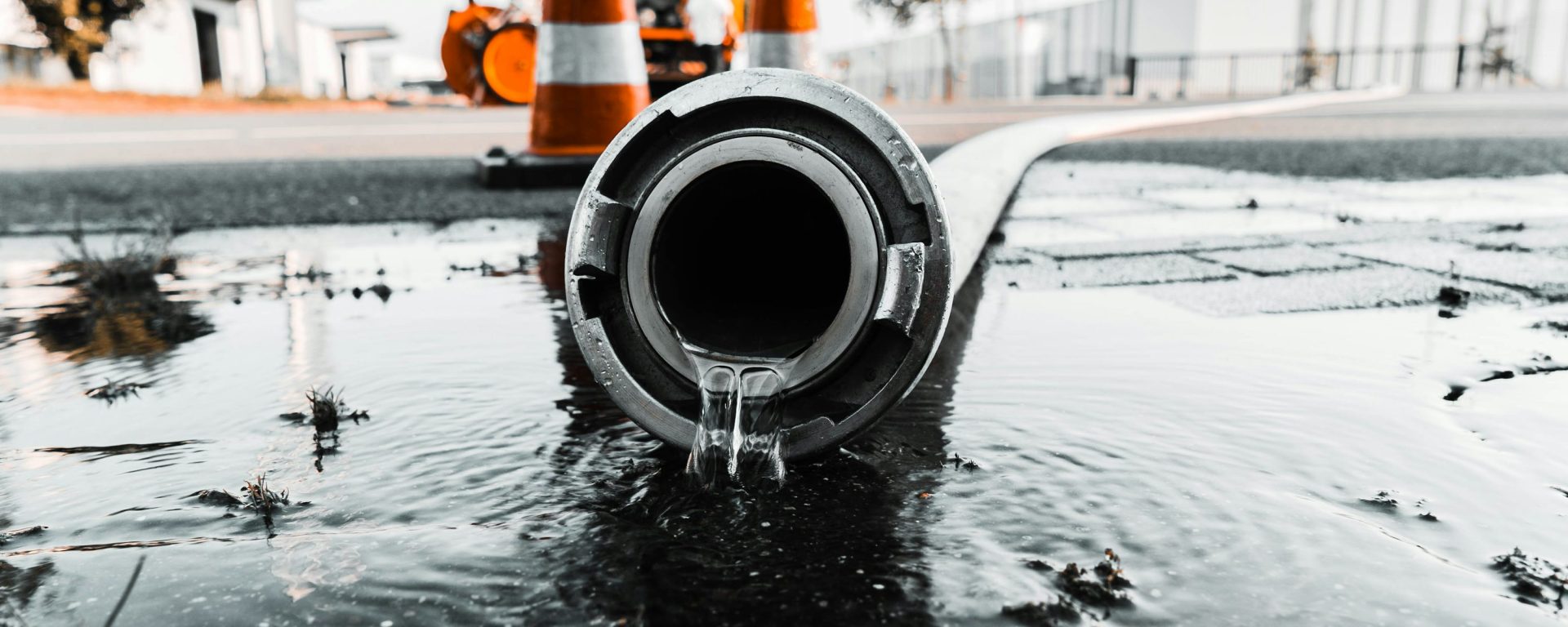
In an age where water is increasingly precious, the significance of effective leak detection cannot be understated. In Darwin, where weather patterns can vary dramatically, ensuring a stable and efficient water system is paramount. Let’s explore the various technologies and methods used in leak detection Darwin. Learn more about their importance, typical applications, and future developments that promise to improve the efficiency and reliability of this essential service.
Understanding Leak Detection Technologies
Leak detection technologies are vital for identifying unwanted water losses in various systems, be it residential plumbing, commercial infrastructure, or agricultural networks. These technologies rely on a mix of sophisticated sensor systems, data analytics, and sometimes even thermal imaging to pinpoint leaks accurately.
Modern methods allow for real-time monitoring, meaning that leaks can be detected and addressed before they escalate into more significant issues. Sensors placed throughout a network can relay information back to a central monitoring system, providing insights that prompt immediate action.
Types of Leak Detection Methods
There are several types of leak detection methods employed today, each suited for specific applications:
Acoustic Leak Detection
Acoustic detection uses microphones to listen for the sound of water escaping a pipe or storage tank. This method is particularly effective in quiet environments and can often pinpoint leaks accurately.
Infrared Thermography
In some cases, thermal imaging can highlight temperature differences caused by leaks. This method is non-invasive and visualizes the heat signatures of objects, making it easier to identify problems without digging.
Pressure Testing
This method evaluates the pressure in a system to determine the integrity of the pipework. A sudden pressure drop may indicate a leak. It’s a straightforward approach frequently used in both residential and commercial scenarios.
Smart Water Meters
These devices track water usage and can alert users to abnormalities in consumption that might suggest leaks. They integrate easily into existing systems while providing users with useful data.
Importance of Leak Detection in Darwin
In Darwin, where seasonal rains can lead to flooding, timely leak detection plays a crucial role in resource management. A single leak can result in hundreds of liters of water wasted daily, adversely affecting local water supplies and the environment.
Also, undetected leaks can lead to extensive damage, including mold growth and structural issues, requiring costly repairs. As the region’s population continues to grow, efficient management of water resources becomes even more vital. Effective leak detection helps conserve valuable water and prevents unnecessary economic burdens.
Common Applications and Use Cases
Leak detection is not only essential for residential plumbing but also has significant applications in various sectors:
Residential Use
Homeowners often invest in leak detection systems to protect their property from water damage. With tools like smart water meters, they can monitor usage and promptly address any anomalies.
Commercial Properties
Restaurants, hotels, and other businesses must manage resources carefully. A minor leak in a commercial kitchen could lead to substantial financial losses. Detecting these issues promptly helps maintain operational integrity.
Agricultural Settings
For farmers in Darwin, leak detection can mean the difference between thriving crops and economic losses. Irrigation systems that leak waste both water and money. Implementing effective detection technologies allows for better resource management.
Choosing the Right Leak Detection Solution
When it comes to choosing a leak detection solution, several factors should be considered:
- Industry Needs: Different sectors may require specific types of detection systems. For instance, commercial settings may look for more advanced systems due to higher stakes compared to residential solutions.
- Budget Constraints: It’s vital to assess what can be afforded without compromising on effectiveness. Investing in quality technology often pays off in the long run.
- Integration with Existing Systems: Seamless integration can save time and resources, so it’s crucial to evaluate how well a new system will work with current infrastructure.
- Technical Support and Maintenance: A good detection solution comes with reliable support for ongoing maintenance and troubleshooting.
Future Trends in Leak Detection Technology
As the world moves towards greater automation and connectivity, the future of leak detection is poised for exciting advancements. Innovations like artificial intelligence (AI) and machine learning are starting to play a role, allowing systems to learn from previous data, predict potential issues, and identify leaks with increasing accuracy.
Moreover, the integration of Internet of Things (IoT) devices promises to enhance real-time monitoring capabilities even further. As these technologies evolve, they will continue to ensure that leak detection systems are more efficient, precise, and user-friendly.
Conclusion
Leak detection is a vital aspect of resource management, especially in regions like Darwin, where conservation is crucial. As technology evolves, new methods emerge that not only improve accuracy but also help save water and reduce potential damage. Those looking to carry out a leak detection system should consider their specific needs and the various options available to ensure they make the best choice for their circumstances. Eventually, investing in leak detection is investing in sustainability and the preservation of precious water resources.
 freevideo.game.blog Bringing Game to Everyone Life