
Every driver eventually faces that dreaded moment—a warning light flashes, a tire goes flat, or the engine gives up without notice. Knowing what to do next and how recovery services respond can make all the difference between a stressful breakdown and a smooth, safe solution. Whether it’s a minor inconvenience or a serious failure, having access to reliable towing Dubbo and professional roadside assistance ensures that help is always close at hand.
Below are the top ten most common roadside emergencies—and how experienced towing and recovery operators handle them efficiently and safely.
1. Flat Tires and Blowouts
Tire issues are among the most common roadside emergencies. Sharp debris, low tread, or improper inflation can all cause flats. Roadside assistance can often replace the tire with your spare, patch minor punctures, or, if the damage is severe, arrange immediate towing. Professional recovery teams use safety cones and high-visibility gear to protect the vehicle and passengers during service.
2. Dead Batteries
Batteries can die unexpectedly, especially in extreme weather or after leaving lights on. A quick jump-start is often enough to get back on the road. If the battery or alternator has failed, recovery teams can transport the vehicle to a workshop for replacement. Modern trucks carry testing tools to check the electrical system before deciding whether towing is required.
3. Engine Overheating
Overheating usually stems from coolant loss or a faulty thermostat. Recovery services advise drivers to stop immediately to avoid engine damage. After checking for leaks or broken hoses, they can top up fluids or tow the vehicle if repairs are needed. Operators ensure engines cool safely before handling any part of the system.
4. Lockouts
Locking keys inside the car can happen to anyone. Recovery professionals use specialized tools to unlock vehicles without damaging locks or windows. Many modern tow operators are trained to work with electronic or smart key systems, ensuring fast, damage-free entry.
5. Running Out of Fuel
It’s easy to misjudge fuel levels during long drives. Roadside providers can deliver enough fuel to reach the next station. If the car won’t restart due to air in the fuel line or engine flooding, they’ll safely tow it for inspection. This service helps drivers avoid walking along busy or unsafe roadways.
6. Mechanical Breakdowns
Transmission problems, electrical faults, or failed components can bring any vehicle to a halt. Skilled recovery services perform quick assessments to determine whether it’s safe to continue driving or if a tow is necessary. Towing trucks—especially flatbeds—ensure all-wheel drives, sports cars, and electric vehicles are moved without further damage.
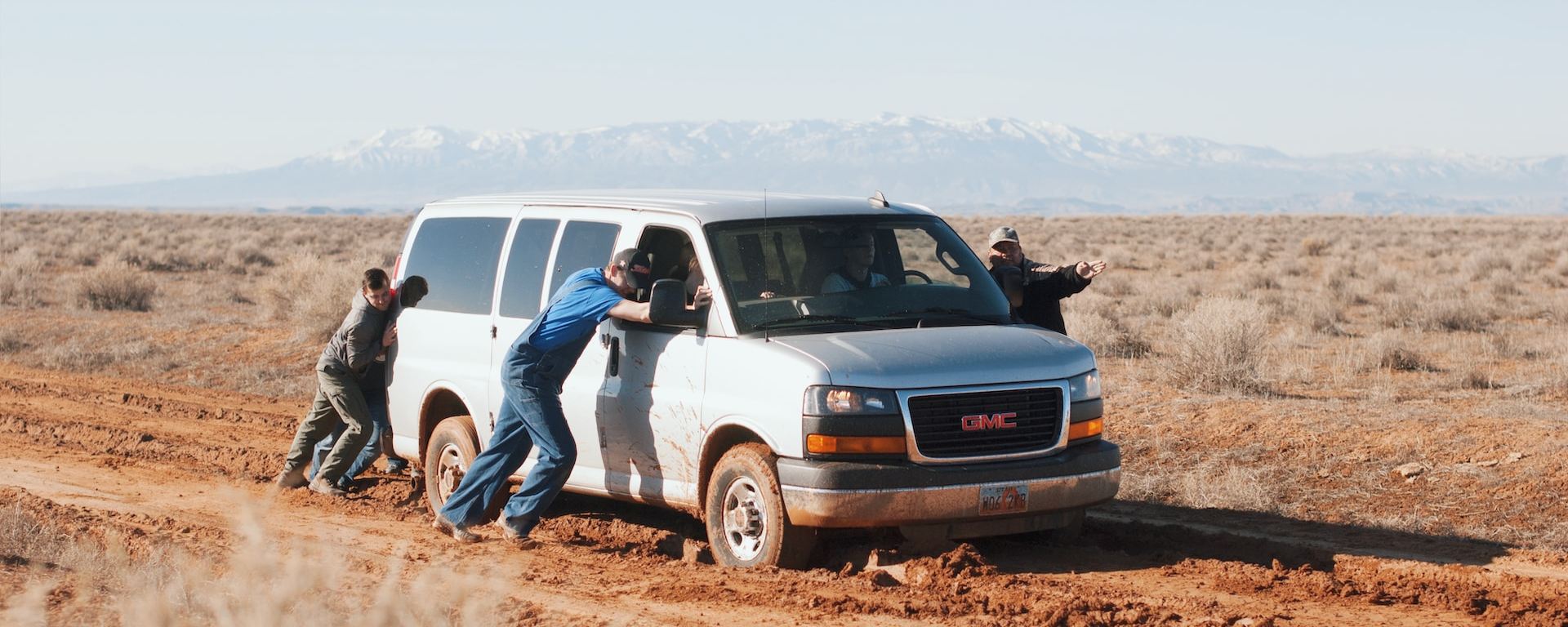
7. Vehicle Stuck in Mud, Sand, or Snow
One of the most demanding roadside rescues involves a vehicle bogged in soft ground. Recovery operators use winches, recovery boards, and rated straps to safely extract the vehicle without damaging the frame or driveline. They assess the terrain, angle, and weight before beginning, ensuring a controlled and professional recovery.
8. Accidents and Collisions
Even low-speed collisions can cause hidden mechanical or safety issues. Recovery crews are trained to handle accident scenes carefully, prioritizing safety and following legal protocols. They coordinate with insurers when needed, provide photo documentation, and transport vehicles to secure storage or repair facilities.
9. Electrical or Warning Light Failures
A sudden warning light—like oil pressure, battery charge, or transmission fault—should never be ignored. Professional roadside technicians carry diagnostic scanners to identify the issue. If driving is unsafe, they arrange immediate towing to prevent further damage. Accurate diagnostics save time and prevent unnecessary repairs.
10. Lost Keys or Immobilizer Issues
Modern vehicles with advanced security systems sometimes fail to recognize their keys due to transponder or immobilizer faults. Roadside specialists can help reset the system or arrange secure towing to a qualified technician. Recovery trucks are equipped to handle vehicles that can’t be put in neutral or released from park mode.
How Recovery Services Ensure Safety and Efficiency
Professional towing and roadside recovery teams operate under strict safety and licensing standards. Before dispatching, operators confirm the vehicle type, issue, and exact location. They carry appropriate gear, such as high-visibility vests, wheel chocks, warning triangles, and rated recovery points, to handle all conditions. Transparent pricing, insured operations, and detailed invoices are signs of a reliable provider.
For electric vehicles and hybrids, trained operators understand how to isolate high-voltage systems and use manufacturer-approved towing modes. For motorcycles, proper wheel chocks and soft ties prevent scratches or tipping during transport.
Staying Calm and Prepared
While breakdowns are unpredictable, a few simple steps make them easier to handle. Pull over safely, switch on hazard lights, and stay inside the vehicle if traffic is heavy. Share your precise location and vehicle details when calling for help. Keeping emergency items like water, reflective gear, and a phone charger in the car can make a massive difference while you wait.
Conclusion
Breakdowns and emergencies can happen anytime—but preparation, patience, and professional help make recovery simple. From flat tires and dead batteries to full-scale recoveries, understanding how roadside assistance works can save stress and prevent costly mistakes. With skilled technicians, the right equipment, and dependable towing Dubbo services, drivers can handle any roadside challenge confidently and get back on the road safely and efficiently.
 freevideo.game.blog Bringing Game to Everyone Life